
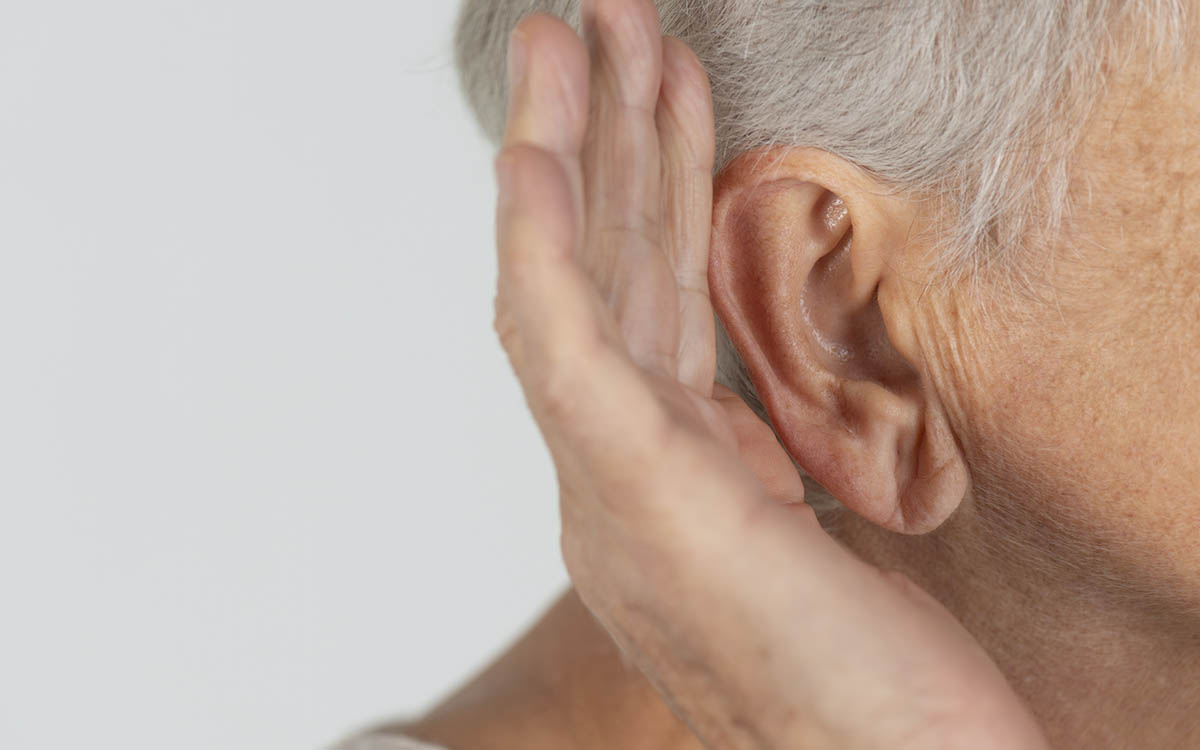
Commonly, clinicians link hearing loss to senescence, yet for a vast number of citizens, ear injury manifests significantly sooner. As one of the most prevalent and avoidable types of auditory impairment, noise-induced hearing loss typically progresses slowly, advancing subtly and remaining undiagnosed until the clinical effects are permanent.
Grasping the longitudinal impact of sound exposure on the auditory system can help you protect yourself before significant hearing loss occurs.
The Clinical Mechanisms of Sound-Induced Auditory Trauma
This form of hearing loss is precipitated by excessive acoustic energy damaging the fragile internal structures of the auditory system. The Centers for Disease Control and Prevention state that, sounds above 85 decibels (roughly the volume of heavy traffic) can begin to cause hearing damage with repeated or prolonged exposure. Higher intensity sounds, including those generated by machinery, music venues, or firearms, may result in immediate damage.
Within the cochlea are specialized sensory structures referred to as hair cells. These cells convert sound vibrations into electrical signals that your brain interprets as sound. The inability of hair cells to regenerate after trauma explains why noise-induced hearing loss results in a permanent auditory deficit.
How Hearing Damage Accumulates Over Time
One of the most concerning aspects of noise-induced hearing loss is that it often develops slowly. Early exposure may cause symptoms like:
- Transient auditory sensations such as ringing or buzzing (Tinnitus)
- A feeling of muffled hearing after loud events
- Challenges involving speech comprehension within high-noise settings
While these preliminary indicators may dissipate, this should not be mistaken for complete physiological recovery. In fact, chronic noise exposure causes ongoing trauma to inner-ear anatomy, leading to a progressive decline in hearing resolution.
According to the hearing loss Association of America, nearly 48 million citizens live with hearing loss, often without recognizing the contributing factors.
Everyday Sounds That Can Cause Auditory Injury
We live in a noisy world, and it’s easy to become desensitized to loud sounds. Due to this, the commonality of injurious sound exposure often goes unrecognized.
Typical noise-generating sources consist of:
- Concert settings and loud musical performances
- The use of headphones at unsafe volume settings
- Industrial tools, lawn maintenance equipment, and motorcycles
- Occupational noise exposure within the construction or manufacturing sectors
Since these noises are integrated into daily routines, cumulative damage often occurs without immediate clinical indicators.
Prioritizing Proactive Care in Clinical Hearing Management
A distinguishing factor of noise-induced hearing loss is the lack of clinical reversal options. Despite its permanence, the condition is significantly preventable. Adopting straightforward preventative behaviors can markedly decrease the likelihood of injury, including:
- The application of earplugs or attenuation earmuffs in loud areas
- Limiting headphone decibels and implementing the 60/60 rule for safe listening
- Scheduled breaks from noise to facilitate ear recovery time
- Maintaining regular clinical screenings and Audiology visits
Clinical Indicators for Requesting Hearing Screenings
Patients observing ongoing Tinnitus, challenges in conversation, or shifts in auditory acuity should contact an Audiologist. Timely professional assessment facilitates the creation of a management plan to maintain long-term auditory health.
Protecting your ears today helps ensure clearer hearing tomorrow. Exposure to noise is frequent, yet hearing loss can be successfully avoided through proper care. We invite you to schedule an appointment with our team to optimize your hearing function.