
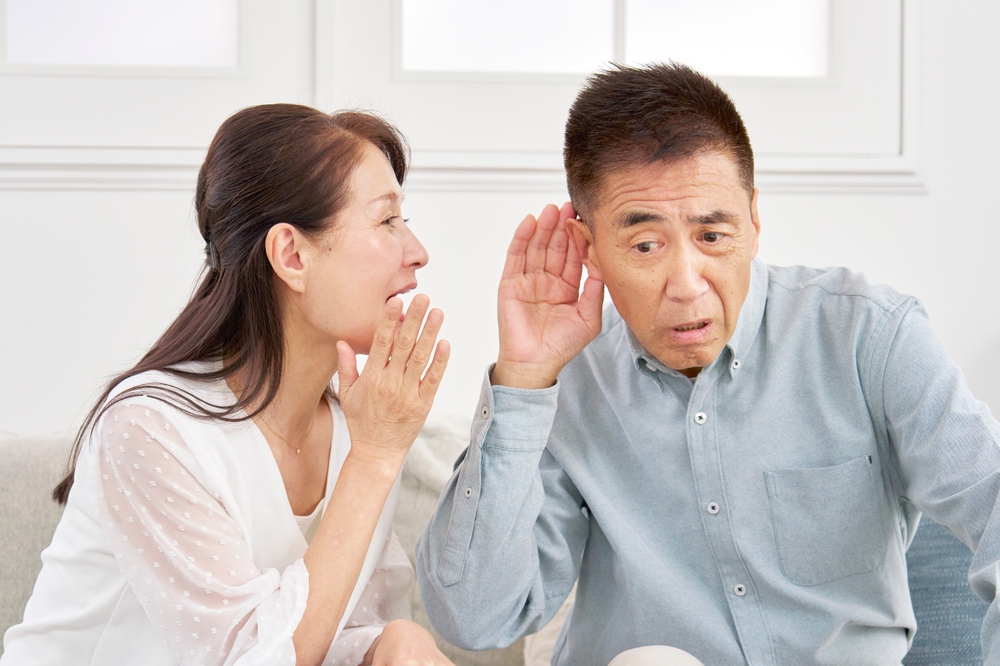
While auditory decline is statistically prevalent, pervasive misconceptions often deter individuals from pursuing clinical intervention. Proactive management of hearing loss ensures the best possible outcomes for auditory preservation. Believing common hearing loss myths can delay diagnosis, impact communication, and reduce your overall quality of life.
Distinguishing audiological reality from fiction empowers patients to make data-driven healthcare choices. We will now examine seven prevalent auditory myths and the clinical evidence that refutes them.
The Fallacy of Senior-Only Hearing Loss
Though presbycusis is a standard clinical finding, hearing loss impacts every biological demographic. Hearing impairment in younger patients is frequently caused by environmental noise, genetic predisposition, or systemic illness.
The “aging myth” frequently prevents young and middle-aged adults from pursuing an essential hearing test.
Myth Two: Auditory Awareness Equals Perfect Hearing
An individual can suffer from hearing loss without experiencing a complete loss of sound. Individuals with moderate deficits may hear volume but lack the clarity required for word discrimination. Between perfect hearing and total hearing loss is a wide spectrum of hearing challenges.
Early symptoms frequently manifest as “cocktail party effect” struggles or a need for constant clarification from speakers. Failing to address these subtle changes can lead to long-term communicative difficulties.
Myth: Auditory Decline is a Low-Stakes Issue
Ignoring hearing loss creates systemic health risks that impact the entire neurological system. Evidence-based research correlates auditory neglect with social anxiety, mental fatigue, and depressive symptoms.
Seeking early treatment safeguards your social connections and your long-term neurological function.
Do Hearing Aids Damage Your Natural Hearing?
The assumption that amplification leads to “lazy ears” is contradicted by modern audiological science.
Properly programmed hearing aids pose zero risk of physical damage to the auditory system. Modern tech calibrates sound output to match the specific “gaps” found in your clinical hearing test. In many cases, using hearing aids can help the brain stay engaged in processing sound, supporting long-term auditory health.
Myth Five: The Aesthetic Stigma Fallacy
Recent innovations in hearing science have prioritized both power and miniaturization. The latest generation of devices offers massive amplification capability in a nearly weightless form factor. Patients can now choose custom-molded options that sit deep within the ear canal for total discretion.
In addition to their size, modern hearing aids often include beneficial features like background noise reduction, Bluetooth connectivity, and automatic sound adjustments.
6. Myth: If My Hearing Loss Is Mild, I Don’t Need Treatment
A “mild” diagnosis still carries the risk of social isolation and increased mental effort. Prompt intervention mitigates listening fatigue by making sound processing effortless for the neurological system.
Patients who pursue early help experience a much smoother transition to using hearing technology.
Myth Seven: The Generic vs. Personalized Care Fallacy
While some over-the-counter hearing devices may provide basic amplification, they are not customized to your specific hearing profile. Only a formal assessment can provide the data needed to create a truly effective and personalized treatment plan.
Custom-fit solutions provide a level of acoustic fidelity that generic devices simply cannot match.
Don’t Let Hearing Loss Myths Hold You Back
Any change in hearing can feel scary, which is why many people brush it off and delay seeking care. But believing common myths about hearing loss can make symptoms more challenging over time. A professional assessment is an easy, stress-free way to gain total clarity on your ear health.
If you’ve noticed changes in your hearing (even subtle ones), a professional assessment is an important first step. Intervening early is a proven strategy for maintaining a high standard of living through better hearing.
Our practice is dedicated to your auditory wellness; reach out to us for a comprehensive review. Reach out to our care team now to begin your journey toward better hearing.