
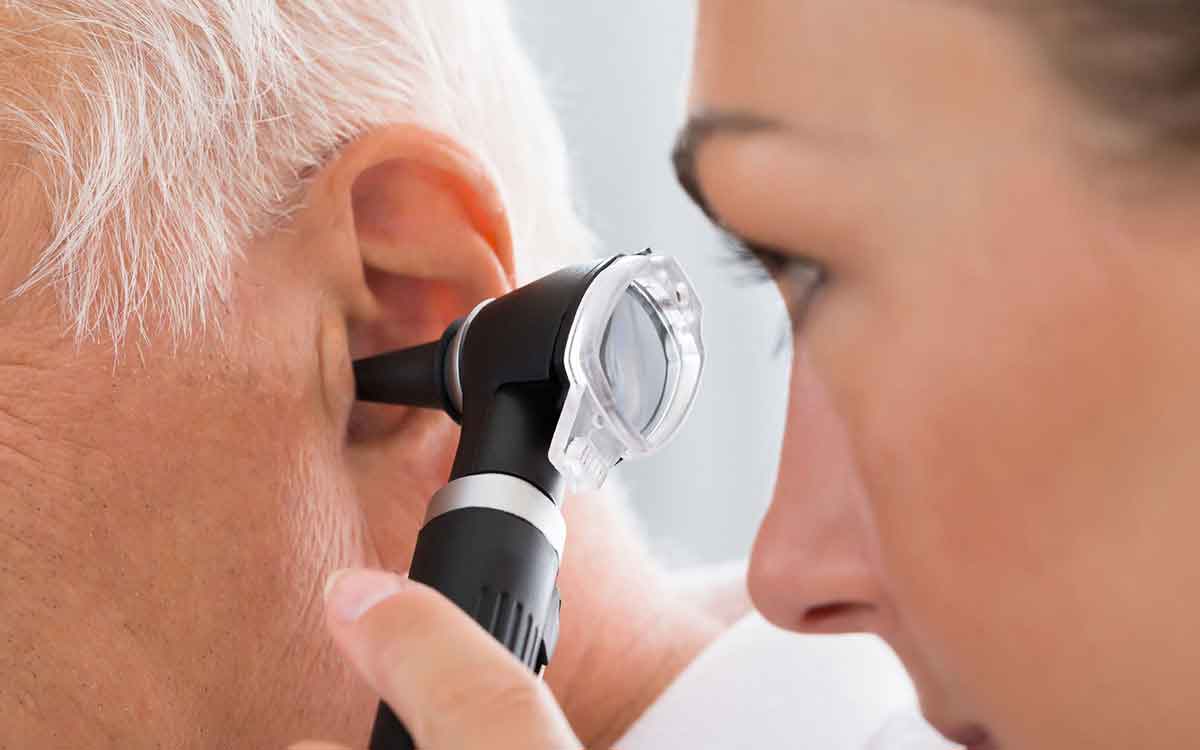
The gradual nature of hearing loss often causes early-stage indicators to be overlooked. It is common for people to adapt to auditory changes by elevating device volume and avoiding social situations with significant background noise.
But recognizing the early signs of hearing loss is a priority.
Frequent Indicators of Initial Auditory Decline
Should you encounter any of these indicators, consider scheduling an audiological evaluation to establish a baseline.
- Difficulty comprehending speech, especially in crowded settings with a lot of activity.
- Frequently asking people to repeat themselves.
- Muffled or blurred vocalizations, where words sound blended together.
- Requiring higher volume levels for media beyond the comfort of family members.
- Decreased perception of high-frequency acoustic signals such as bird songs or household alerts.
- Ringing, buzzing, or humming in the ears (tinnitus).
- Feeling cognitively fatigued after social interactions, due to increased efforts to hear better.
- Retreating from communal environments since following speech feels taxing.
Initial auditory warnings are often present in one or both ears and can fluctuate at first. Because the brain adapts quickly, many people fail to recognize how much they’re compensating until hearing loss becomes more noticeable.
Statistical Overview of Global Auditory Health
The World Health Organization reports that the need for hearing support will impact 700 million people by 2050. Other relevant statistics include:
- By 2050, nearly 2.5 billion people are expected to experience some degree of hearing loss.
- Over 5% of the world’s population (430 million people) necessitates support to address significant hearing loss.
- More than 1 billion younger individuals are at risk of avoidable hearing loss caused by unsafe listening practices.
- Among those aged 60 and older, more than one-quarter have disabling hearing loss.
The Critical Importance of Early Identification
If left unaddressed, hearing loss may affect multiple dimensions of your health beyond simple communication.
Clinical evidence shows a clear association between ignored hearing loss and social challenges, such as isolation and depression.
Treating symptoms early facilitates more treatment options and better long-term outcomes.
An evaluation distinguishes between noise damage, earwax buildup, or underlying infections.
In some cases, hearing changes are temporary and reversible.
In addition, employing protective measures or digital hearing aids at the onset may delay the advancement of hearing loss.
Recognizing the Need for Audiology Services
You should consider arranging a hearing assessment if:
- Clinical indicators remain present for more than several weeks.
- Difficulty hearing starts to impact work or personal routines.
- Experiences with sudden decline, vertigo, or persistent ringing warrant urgent clinical attention.
Auditory screenings are comfortable and safe, additionally they offer valuable insight into your hearing health.
We encourage you to contact our facility if you feel a hearing screening would be advantageous.
FAQ: Early Signs of Hearing Loss
Question: Does hearing loss only occur with aging?
Answer: Not necessarily. Although presbycusis is prevalent, auditory shifts can stem from noise trauma, ototoxic drugs, or genetic factors.
Q: Can hearing loss be reversed?
Answer: Certain etiologies, such as earwax impaction or localized infection, are treatable. While other forms are irreversible, they can usually be managed with professional treatment or hearing technology.
Q: How often should hearing be checked?
A: Adults should have a baseline hearing test by age 50, or earlier if symptoms or risk factors are present.