
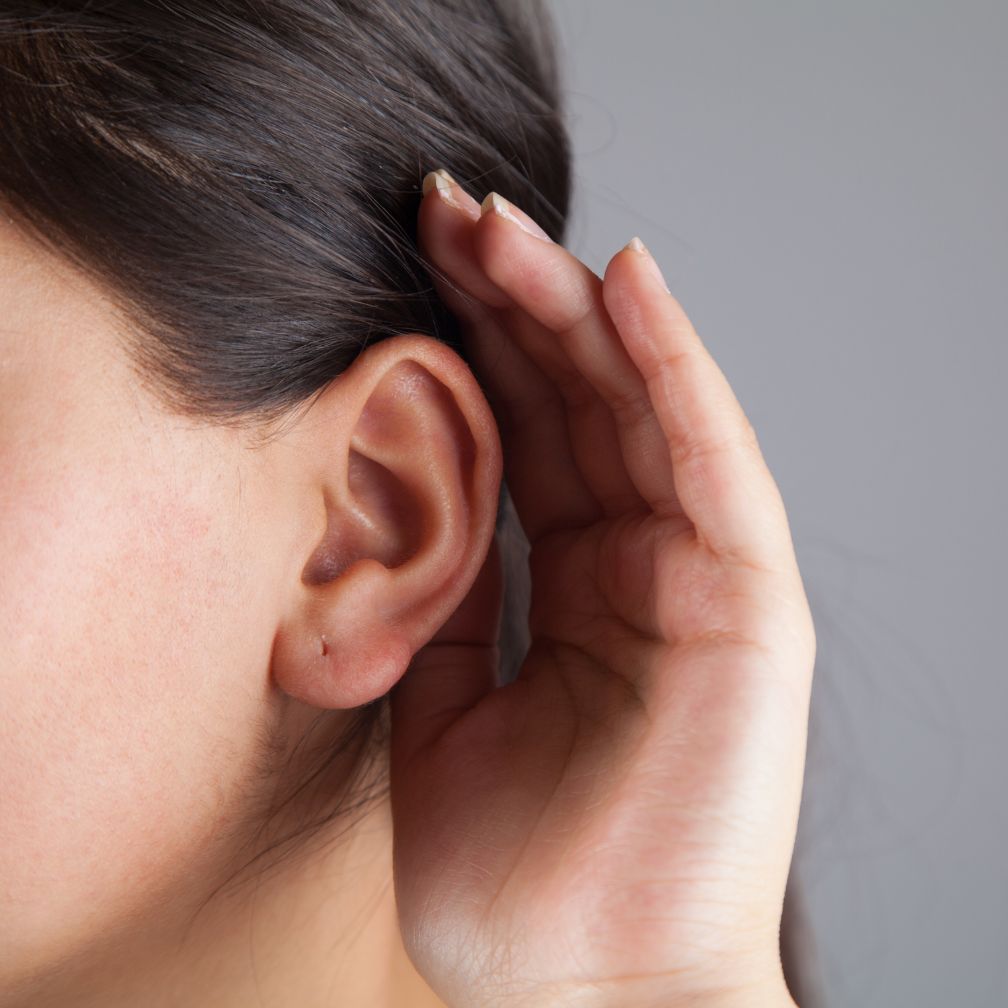
Have you noticed an unusual auditory sensation that mimics baseline white noise or a steady breeze in your ears? What explains the fact that you are the sole individual capable of detecting this frequency? You are not inventing these symptoms; the sensation is entirely real.
Fortunately, your symptoms do not point to “phantom ring syndrome,” a psychological habit among heavy smartphone users who mistakenly believe their device is vibrating or ringing in silence.
Instead, these persistent acoustic distortions are classic indicators of clinical tinnitus. Make no mistake, this perceived internal audio is a legitimate medical symptom, and certain lifestyle habits can rapidly worsen its intensity.
Even with this internal hum, your ears retain the capacity to process active human speech. Rather, it simply feels as though an unwanted layer of acoustic static has been artificially superimposed over your entire auditory field.
We will examine why this persistent hum occurs, break down its clinical characteristics, and review what steps you can take to successfully alleviate the symptom.
Understanding Tinnitus: The Mechanics Behind Internal Head Static
In the vast majority of medical cases, this persistent internal static is a secondary symptom of sensorineural hearing loss. It is uniquely defined by a steady or variable acoustic signal that registers on top of everyday conversations. Depending on individual pathology, this subjective sound can remain mild enough to ignore during active hours. Conversely, you may be trapped in a severe cycle where the internal static feels absolutely overwhelming, disrupting your concentration and peace of mind.
Most patients frequently fail to find words that accurately convey their struggle, because this subjective sensory deficit defies the imagination of anyone who has never lived it.
You might find yourself wondering how a humming noise that sounds so incredibly vivid inside your skull can have no external reality. The invisible nature of the noise frequently forces individuals to question whether the symptom is purely psychological. It is deeply frustrating that an internal frequency can actively block your ability to understand clear speech from colleagues. Or sleeping?
The Quiet Room Trap: How Inactivity Highlights Internal Buzzing
It is a well-documented clinical fact that a lack of environmental audio causes your internal ear noises to feel significantly worse. This structural shift happens because the internal hum doesn’t have to fight against real-world sound waves—as seen when people lock down their bedrooms for total quiet at night. They choose to run no active entertainment devices, omit music, and enforce a strict policy of zero structural sound. Add to that the fact that you’re probably alone with your thoughts during this time, and when you start to notice the buzzing or humming in your ears, it turns into the only thing you can think about, making the symptoms seem even worse. Regardless of whether your specific symptoms involve low-frequency hums or high-pitched squeals, a perfectly silent evening environment provides the ideal clinical conditions for tinnitus to dominate your focus.
When Tinnitus Mimics Wind, Static, and Alternative Acoustic Textures
Not only does the disorder defy easy explanation to outsiders, but sharing notes with another patient can frequently muddy the waters. They may be experiencing very different symptoms than your own, which might lead you to think that what you have isn’t tinnitus at all.
But chances are, it is. This is due to the reality that tinnitus is a highly polymorphic condition, expressing itself through a vast array of acoustic shapes depending on the individual. Common clinical presentations involve consistently tracking frequencies that mimic:
- The harsh hiss of old-fashioned television static
- An unceasing structural or electrical humming sound
- An active, vibrating internal buzz resembling an electrical current
- A piercing, high-pitched metallic ringing
- Thumping
- Dial tone
Under standard clinical circumstances, you remain the exclusive audience for the subjective white noise generated by your neural pathway errors. Consequently, if you request that your family doctor physically verify the noise during an office visit, they lack the tools to do so. Out of medical necessity, your healthcare provider must rely entirely on your subjective self-reporting to establish the history.
Unfortunately, this clinical gap frequently leaves patients feeling misunderstood or dismissed by general practitioners who lack dedicated training in audiological medicine.
To illustrate, an industrial steelworker named Thomas shared his story: “The moment that intense ringing initiated, I consulted my family physician. While the physician did agree that it matched the description of tinnitus, he completely underestimated how exhausting the background noise was to my mental health. He discussed my condition as if the sound were merely a minor, imaginary inconvenience. He seemed to think I could just ignore it and really didn’t offer any solutions.”
Transitioning your care to an expert otolaryngologist eliminates this frustration, ensuring your symptoms are validated while mapping real-world treatments. Remarkably, the precise texture and rhythm of your subjective audio can yield critical clues that direct the specialist toward the right therapy.
Whooshing vs. Ringing: Identifying High-Risk Vascular Anomalies
The process of explaining your symptoms to a clinician becomes further complicated by the sheer diversity of ways this neurological deficit expresses its presence. Consider a scenario where you perceive a fluid-like whooshing or a rhythmic thumping that beats in unison with your heart; this pattern points directly to a distinct condition called pulsatile tinnitus.
The good news is that pulsatile tinnitus can be treated more effectively than regular tinnitus since it’s usually caused by one or more health problems, like high blood pressure or issues with your arteries.
This distinct vascular whooshing can stem from turbulent blood flow forcing its way through constricted cranial vessels, a physical phenomenon clinically identified as a bruit. Securing an immediate, thorough diagnostic evaluation for this pattern is vital; in rare instances, this vascular turbulence serves as an early indicator of an impending neurological crisis or ischemic stroke, both of which are life-threatening events.
When Your Phantom Noise Is Measurable to an Outside Observer
Make no mistake: tinnitus is a highly disruptive, legitimate medical disorder that inflicts significant stress on a patient’s routine. Although regular ringing escapes external tracking, unique objective cases allow an ear specialist to leverage diagnostic listening tubes to physically capture the precise internal sound passing through your tissue. Remember, this external diagnostic confirmation is exclusively possible within vascular profiles, which occur far less frequently than standard subjective ear ringing.
What Triggers the Ringing? Uncovering Your Personal Path of Injury
The most common cause of tinnitus is a loud noise that you were exposed to over a period of time. Consequently, we see a massive volume of cases among stage performers, industrial operators, and manual laborers who face heavy acoustic strain day in and day out over decades.
There are some professions that are loud enough to cause workers to develop tinnitus, such as:
- Industrial Manufacturing – Spending an eight-hour shift surrounded by heavy mechanical equipment inflicts severe, cumulative strain on your delicate auditory architecture. Compounding the physical decibel load, industrial environments are inherently high-stress, a psychological variable that actively accelerates and worsens central tinnitus perception. For instance, operators positioned near a pneumatic riveter face extreme hazards, as these tools blast over 125 decibels—a threshold capable of inducing instant, irreversible cochlear death and violent tinnitus.}
- Agricultural Industry Operations – Forget about the traditional sounds of nature. Although a rooster can produce a piercing 90 decibels in the morning, the heavy equipment utilized on a modern farm is infinitely more hazardous to your ear health. Operating tractors, managing combines, running cherry-pickers, or working alongside automated milking networks subjects your ears to extreme decibel wear. Even simple carpentry repairs can cause harm, as a typical table saw operates at over 85 decibels, causing steady auditory decline without ear protection.}
- Pilots and Flight Crew – At a distance of 100 feet, a standard jet engine blasts a punishing 140 decibels directly into the environment. While aviation safety rules require pilots to wear defensive ear protection, operators of light aircraft are positioned inches away from the propulsion source. Traditional headsets cannot completely block out this massive volume of sound pressure, ensuring that a career spent in the cockpit often results in a slow, progressive decline in hearing acuity and secondary tinnitus.}
- Motorcycle Cop – You don’t have to be a police officer to ride a motorcycle, but any job that has you riding around on this noisy vehicle all day puts you at risk of developing tinnitus and eventually losing your hearing. The same goes for snowmobiles and jet skis…though chances are you’re not riding these vehicles at work unless you have a very interesting and, let’s face it, fun job.}
- Nightlife and Hospitality Personnel – To fulfill your duties, you must accurately capture a patron’s drink order from across a crowded room. However, the ambient acoustics in modern nightclubs are set so high that discerning speech becomes a massive physical struggle, forcing your auditory cortex to work overtime against a wall of sound. If the venue hosts a live band or high-powered subwoofers, your inner ear suffers the exact same structural trauma experienced by the musicians on stage.}
In each of these scenarios, the primary cause is the mechanical destruction of the tiny hair cells housed inside your internal ear labyrinth due to relentless noise. These hairs pick up sound and help the brain to understand what you’re hearing. The critical issue is that these auditory hair cells cannot replicate or heal once they have been crushed by noise, resulting in lifelong hearing distortions and chronic tinnitus.
What Is Driving the Volume Up? Secondary Tinnitus Accelerators
In addition to primary acoustic trauma, a variety of systemic health issues and lifestyle habits can actively amplify the baseline static in your ears.
- Mental Health Challenges – Living with generalized anxiety or depression creates a highly frustrating catch-22 scenario. The moment your stress or mood drops, your neurological sensitivity to the ear ringing spikes, which immediately causes your psychological distress to worsen in response.}
- Not Listening to Your Ears – Your ears become uncomfortable when sound is too loud. Don’t just grin and bear it – take care of your ears, because they’re the only ones you’ve got.}
- Circulatory Stress – Neglecting your cardiovascular metrics can compromise the delicate arteries supplying your internal ear networks. This lack of proper blood flow causes immediate spikes in internal head noise and steadily worsens your overall hearing loss over subsequent years.}
- Smoking – That antsy feeling that you get in between cigarettes can worsen symptoms. While the answer may seem like you should have another cigarette, this is only making it worse the longer you smoke because of the impact smoking has on your cardiovascular system.}
- Nutritional Choices – Certain dietary components, especially concentrated caffeine and chemical sweeteners, can irritate your nervous system and increase ear ringing. Implementing a daily food tracking journal allows you to monitor your chemical intake alongside your tinnitus levels to systematically discover your personal food triggers.}
- Some people – Being around certain people, especially people with a very negative outlook, can make tinnitus worse because it triggers high blood pressure, anxiety, and depression. Consider relationships that may be doing you more harm than good and decide if they’re important enough to risk your hearing and health. Remember, you can’t change other people, but you can choose to be around them less often.}
- Maternal Shifts – Roughly a third of all pregnancies involve the onset of tinnitus, typically caused by the intense hormonal changes, fluid retention, and blood pressure adjustments that occur during gestation.}
- Impacted Cerumen – A dense accumulation of earwax pressing directly against the tympanic membrane can distort sound and generate bizarre phantom noises. Securing a professional microsuction or debridement procedure to clear the wax can, in many instances, instantly eliminate the ringing.}
- Some medications – Opiates, antibiotics, diuretics, chemotherapy and over the counter painkillers have all shown a link to tinnitus, so you should speak with both a hearing specialist and your primary doctor to understand the risks and side effects.}
Are there any treatments for tinnitus that work?
If you suspect an underlying systemic pathology is driving your symptoms, consult with your managing physician immediately. Specific systemic disorders significantly worsen your internal noise levels, particularly unmanaged anxiety and high blood pressure.
Once your baseline systemic health has been stabilized, it is time to evaluate targeted acoustic therapies. These include:
- Holistic Stress Reduction – Committing to structured meditation, therapeutic yoga, or dedicated breathing routines helps calm an overactive sympathetic nervous system. Learning to manage mental strain naturally without reliance on alcohol or pharmaceuticals is a skill rarely taught in traditional settings. However, incorporating these behavioral techniques is highly recommended, as they deliver measurable, long-term relief from internal head noise.}
- Acoustic Sound Masking – Deploying consistent ambient white noise in your bedroom can provide immediate, profound relief during your sleep cycle. However, you must absolutely avoid the dangerous practice of trying to overpower the ringing using high-volume earbuds or alternative loud audio sources. Taking that aggressive approach will inevitably compound your inner ear damage and worsen your symptoms over time.}
- Advanced Sound-Conditioning Hearing Aids – Modern digital hearing instruments can be specifically calibrated to neutralize your phantom frequencies. Current audiological devices feature sophisticated, integrated tinnitus mitigation algorithms as a standard option. During your personalized fitting session, an expert can program the device to emit an individualized counter-frequency that effectively cancels your specific ringing tone.}
- Habituation Therapy – This specialized audiological protocol utilizes sound therapy to systematically retrain your central nervous system to ignore the internal static. An experienced clinician will introduce a carefully calibrated audio signal into your canal that mimics your subjective tinnitus frequency. Over time, this targeted exposure teaches your cognitive filters to view the noise as meaningless background data, allowing you to focus effortlessly on external speech.}
- Cognitive Behavioral Therapy (CBT) – This evidence-based psychological intervention is expertly designed to dismantle negative behavioral patterns and stress cycles. For patients who frequently ruminate on distressing news or worry about external situations they cannot influence, CBT offers an ideal solution. It systematically coaches your mind to redirect its energy toward positive elements and areas where you maintain true autonomy, which rapidly reduces the stress that feeds your tinnitus.}
Analyzing the Clinical Limits of White Noise for Tinnitus Relief
You might wonder if the concept of fighting fire with fire applies to your ears, specifically using physical white noise to fight phantom white noise. Data from a recent medical study in the UK confirmed that although white noise sound conditioners help patients manage their symptoms, maximum relief requires pairing the audio with targeted medical counseling.
There is currently no known cure for tinnitus – only treatments that can help you better manage your symptoms.
So what else can you do to treat your tinnitus? Before initiating any treatment, you must undergo a formal, high-definition hearing assessment. This essential baseline test will reveal exactly how much the internal static is degrading your word recognition score and speech comprehension during daily conversation. After that, you should discuss treatment options with your local hearing experts.
Audio Illusions: Explaining Phantom Melodies and Speech in Background Noise
Should you track complex orchestral arrangements or human voices within background noise, your symptoms fall outside the definition of traditional ear ringing. Rest assured, this specific illusion does not indicate that you are developing schizophrenia, dementia, or any other central psychiatric illness. The most likely cause is Musical Ear Syndrome, apophenia, or audio pareidolia. Your mind is hardwired for intense structural processing, meaning it will aggressively scan unshaped noise in an effort to synthesize familiar audio forms. When exposed to a flat wall of static, your mind can miscalculate the input and overlay an expected acoustic memory onto the noise. For instance, pareidolia represents your mind’s natural habit of translating empty background sounds into a specific memory file, like a distinct musical rhythm. That said, if you hear detailed instruments or singing when the room around you is perfectly quiet, the symptom is classified as a distinct musical hallucination.