
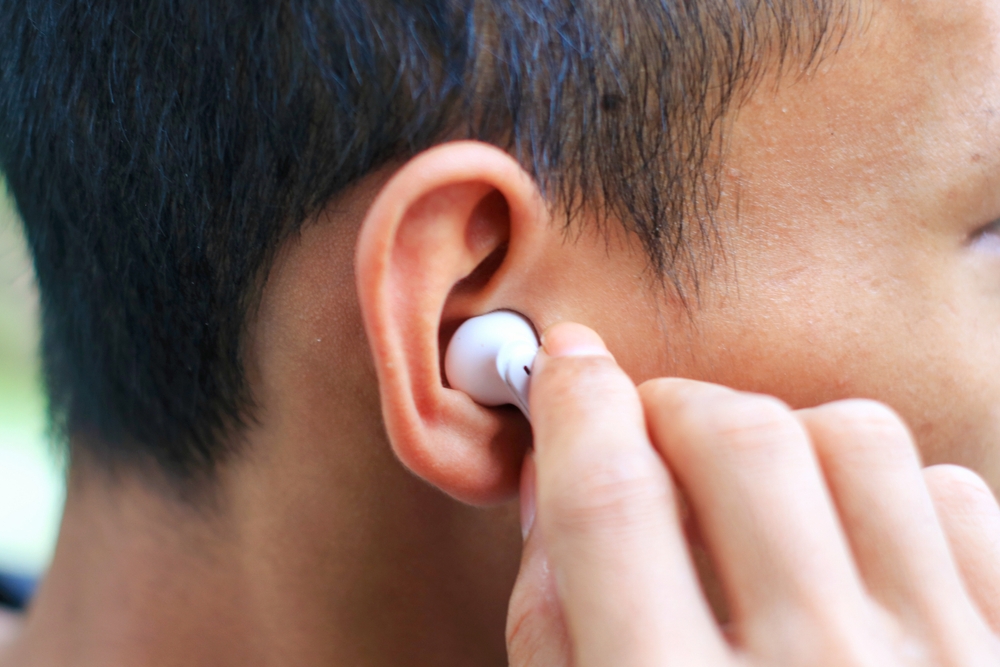
In modern public spaces, the sight of a young person without some form of in-ear audio is rare. Even with their larger footprint, headphones remain a popular choice for teenagers looking to disconnect from the world. The appreciation for music is a cross-generational trait, yet younger individuals often depend on it for constant background stimulation. Given their intimate position near the eardrum, are these devices a legitimate threat to our hearing? Ultimately, hearing health depends on the management of volume and duration rather than the device category.
When Healthy Listening Becomes Hazardous
Acoustic stimuli can act as a sedative, an emotional balm, or a powerful stimulant depending on the tempo. This subjective experience is dictated by the specific characteristics of the chosen track. Personal audio tech provides a convenient way to consume media without infringing on the silence of those nearby. Most individuals view this as a positive etiquette, especially within the confined spaces of a bus or train.
The primary clinical concerns center on the precise limits of sound pressure and the length of the listening session. In reality, excessive sound pressure is universally hazardous to the delicate structures of the cochlea. When you listen for too long a time and at a very loud volume, you can irreparably damage your hearing. Since hearing shifts occur incrementally, the window for prevention has often closed by the time a patient seeks help.
Why Earbuds Pose a Unique Threat to Hearing Health
The intensity of the decibels is the leading risk factor for permanent auditory trauma. Nevertheless, the timeframe of the sound exposure is just as critical a factor as the intensity itself.
- According to the NIH, maintaining a threshold below 70 dB ensures safety, even during extended listening periods.
- High-intensity sound waves cause cellular damage in a fraction of the time required by moderate sounds.
- To protect your ears, utilize the 60/60 guideline: never exceed 60% power and rest after 60 minutes of use.
- You can safeguard your auditory health by reducing device intensity and monitoring your cumulative daily usage.
Warning Signs of Hearing Loss
Common indicators such as “ringing” in the ears and a recurring inability to understand speech in loud rooms warrant an immediate specialist consultation.
Schedule an appointment with our specialists if you believe your auditory health has been compromised.