
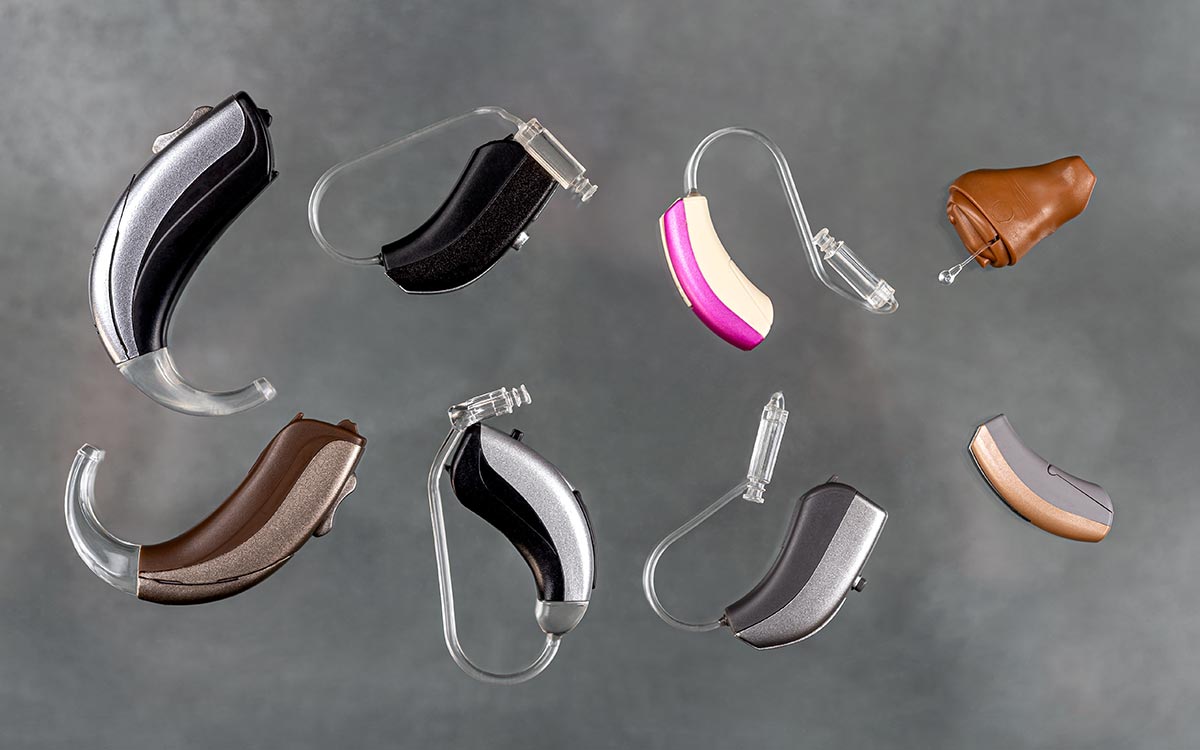
Choosing an instrument can feel overwhelming, especially when today’s units come in so many styles, sizes, and technology levels. Rest assured that there is an assistive device customized to every lifestyle and degree of impairment. It’s just an issue of finding it!
Gaining an accurate understanding of common hearing aid categories will empower you to make a wise decision for your hearing health. Today, we’re breaking down the various hearing aid styles and what makes each one unique.
The ITC (In-the-Canal) Style Detailed
Basic Summary:
A custom device is engineered to sit partially within the ear canal while showing just a small section in the outer ear area.
Common Benefits:
- Less noticeable than conventional full-size models
- Tailored to the specific contours of your ear
- Designed to treat low to mid-range hearing impairments
First-time wearers often lean toward ITC aids because they strike an ideal compromise between size and performance.
Ultra-Discreet Invisible-in-Canal (IIC) Aids
What they are:
IIC hearing aids are the smallest custom design available. This style rests deep in the ear for a completely covert appearance.
User Benefits:
- The best choice for users prioritizing appearance
- Provides realistic audio because of where the device sits
- A feather-light design makes them easy to wear all day
The small form size of IIC models renders them perfect for mild hearing loss and anyone who values an invisible hearing solution.
Understanding In-the-Ear (ITE) Units
Product Information:
ITE hearing aids occupy either the whole outer ear (full-shell) or the lower portion (half-shell). These are custom-fabricated for a precise fit based on your ear’s anatomy.
The Advantages:
- An appreciably larger frame houses advanced tech and more powerful batteries
- The physical size is easier to hold and adjust for users with fine motor concerns
- An adaptable option that can address even significant levels of hearing loss
ITE models are often chosen by individuals who want an uncomplicated, all-in-one design without behind-the-ear components.
Behind-the-Ear (BTE) Hearing Aids
Technical Detail:
These devices sit on the external portion of the ear’s anatomy. Sound travels into the ear canal through an internal tube or custom earmold.
Reasons for Selection:
- Offers an enduring and flexible solution for various environments
- Can be set to help users with everything from mild to profound loss
- The spacious casing allows for high-tech extras and built-in power cells
If you need a sturdy hearing aid that is simple to operate and offers high-power output, the BTE style is ideal.
Modern RIC (Receiver-in-Canal) Devices
What they are:
In an RIC model, the speaker is detached from the main housing and placed inside the canal via an ultra-fine wire.
Market Interest:
- Known for creating some of the most realistic audio in the industry
- Small, feather-light, and comfortable
- An adaptable solution that works for various degrees of auditory needs
The combination of style and high-end performance makes RIC models a top choice in the modern market.
Extended-Wear Hearing Aids
Introduction:
These unique aids are designed to stay in the ear canal for an extended period or more, managed by your hearing specialist.
The Draw:
- Provides a hassle-free experience with no daily maintenance required
- They are virtually impossible for people to notice because of their depth
- You can move about your whole life—including sports and rest—while wearing them
If you want an auditory solution that requires zero daily thought, the extended-wear style is perfect.
Bluetooth-Enabled Hearing Aids
Digital Features:
Connectivity-focused hearing aids that utilize radio to integrate with your digital life.
Digital Advantages:
- Enjoy immediate audio streaming from your phone or TV right into your ears
- Provides a discreet way to manage your hearing environment from your mobile screen
- Provides the ultimate in ease for those who use smartphones regularly
Most contemporary RIC, BTE, and ITC hearing aids now provide a Bluetooth-enabled version.
Middle-Ear Implants
What they are:
Middle-ear implants are specialized instruments that use mechanical vibration to enhance hearing via the middle ear.
Who they are serving:
- An accessible route for patients who are unable to wear standard acoustic devices
- Pleasant option for chronic ear issues related to traditional devices
An exhaustive meeting with an ENT professional is necessary before considering a middle-ear implant.
Choosing the Right Style for You
There is no one single “ideal” hearing aid for hearing loss or tinnitus; rather, there is a best one for you, determined by your medical needs and personal comfort. An audiology professional is your best asset for evaluating these options and finding a match for your daily routine.
If you’re prepared to investigate the possibilities, schedule a hearing evaluation today. It is the most important step you can make toward an increasingly vibrant and confident life.
Sources:
https://www.mayoclinic.org/diseases-conditions/hearing-loss/in-depth/hearing-aids/art-
20044116
https://www.hearinglife.com/hearing-aids/types
https://www.nidcd.nih.gov/health/hearing-aids