
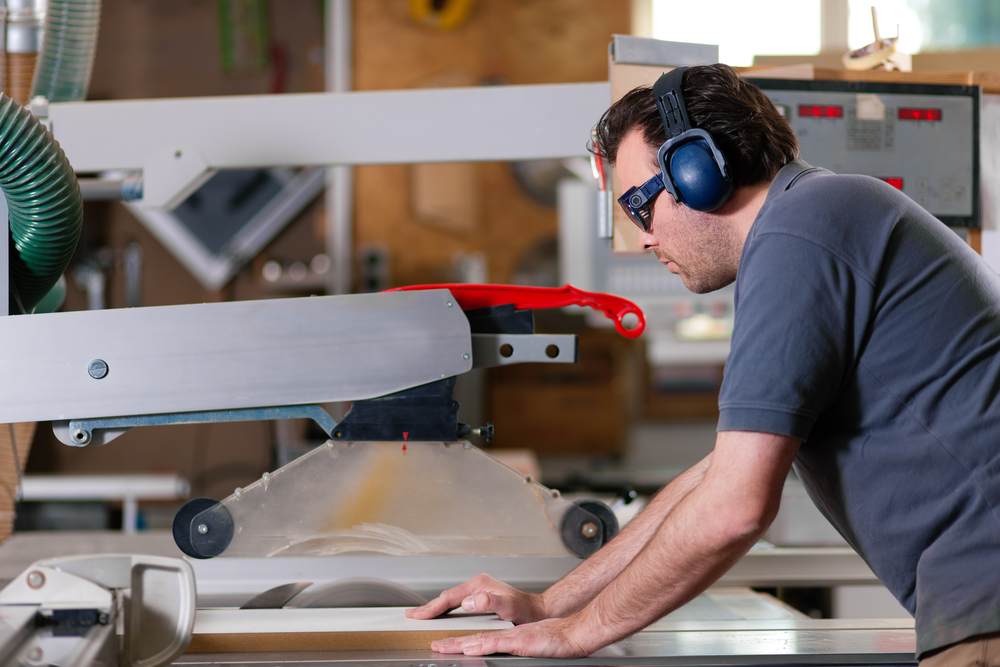
Your hearing health can be significantly affected by long-term noise exposure, chiefly in settings where noise intensity is greater than safe limits. You must safeguard your ears; this is necessary for more than preventing hearing loss—it also helps you keep focus amidst noisy conditions. So, how do you select the ideal level of hearing protection for your situation?
The necessity of knowing noise levels and impacts
The effects of noise exposure aren’t just about volume but also the length of exposure. Decibels are the primary unit for measuring sound levels and expressing sound volume. When sound levels hit 85 dB or higher, they can start to injure your hearing, especially with extended exposure.
As a frame of context, 85 dB is approximately the same volume as the sound of city traffic perceived from within a car. An eight-hour period of continuous exposure can begin to harm your hearing, even if the sound level doesn’t seem overly loud. The safe duration of exposure becomes shorter when the sound is louder:
- Damage can result with up to 4 hours of exposure at 90 dB (Lawnmower).
- Exposure to 100 dB (Power tools) must be restricted to a maximum of 60 minutes.
- Damage is possible after only 15 minutes at the 110 dB level (Leaf blower).
- Your hearing can be harmed by any exposure to a 120 dB sound (Rock concert).
- 140 dB (Jet engine): Immediate damage and pain can occur.
Recognizing harmful sound volumes
If you’re routinely exposed to noise levels of 85 dB or more, wearing hearing protection is essential. This holds most true in professional settings, such as plants, building areas, or settings where equipment, devices, or gear generate high levels of noise.
Hearing protection is also useful outside of the job; activities like attending music shows, operating leaf blowers, or participating in shooting sports can subject you to dangerous sound levels.
Choosing protection based on Noise Reduction Ratings (NRR)
The performance of hearing protection is measured by its Noise Reduction Rating (NRR). The rating shows the level of sound reduction, stated in dB, that the unit provides. More significant protection is shown by a higher NRR value. An instance is a pair of earplugs with a 30 dB NRR, which could lower an 85 dB sound to 55 dB, thereby keeping you safely within the bounds of safe exposure.
To make a good selection, you should evaluate the specific noise intensity you are exposed to and verify the device provides the required reduction to keep the volume below 85 dB.
The important role of comfort in consistent protection
While the NRR is an essential factor, comfort plays an equally important role in guaranteeing sustained use. If hearing protection feels discomforting or bulky, you may be inclined to remove it—leaving your ears vulnerable to damaging noise.
The more comfortable the protector, the more likely you are to use it continuously, which effectively reduces the threat of intermittent exposure. To demonstrate, heavy or ill-fitting earmuffs may be removed by the wearer periodically, exposing their ears to harmful sound levels.
A look at the multiple styles of hearing protection
A selection of hearing protection devices are available, all with their own set of advantages and drawbacks:
- Foam Earplugs: These sit inside the ear canal and offer excellent noise reduction. They’re lightweight and disposable but may feel uncomfortable for some users.
- Resting right outside the ear canal, Pre-Molded Earplugs are reusable and thus a more eco-friendly choice. They are simpler to take out and put in than their foam counterparts.
- Earmuffs, which cover the entire ear, are well-suited for environments with changing noise levels due to how easy they are to take on and off, but they can be heavy or hot during prolonged use.
Choosing the right type is based on your comfort and the requirements of your surroundings. Construction workers, for instance, might prefer the convenience provided by earmuffs, whereas factory personnel may select earplugs for continuous wear.
Committing to consistent hearing protection wear
The protection that is used consistently is, by definition, the best performing kind. Even a short period without protection can cause permanent negative effects on your auditory health. For this purpose, finding a device that optimizes protection, comfort, and convenience is essential.
Ensure your lasting hearing health
While noise is a constant part of life, correct hearing protection enables you to secure your hearing without sacrificing the sounds surrounding you.
Call us now to discuss your potential for hearing loss from noise and the optimal ways to protect your hearing.